A healthy heart normally beats in a regular rhythm, controlled by the heart’s electrical system. But when these electrical signals become too slow or irregular, the heart may not pump enough blood to the body. In such situations, a pacemaker can help maintain a safe and regular heartbeat.
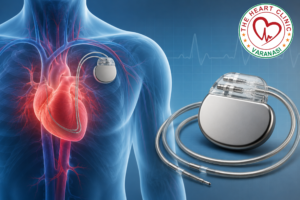
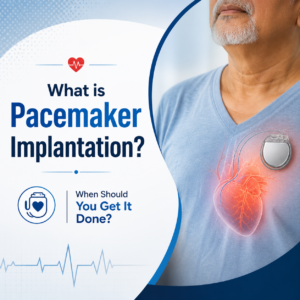
A pacemaker is a small medical device placed under the skin, usually near the collarbone. It monitors the heart rhythm and delivers small electrical impulses whenever the heartbeat becomes too slow or irregular. Pacemaker implantation is an important treatment option for certain heart rhythm disorders and can help improve symptoms and quality of life.
What Is a Pacemaker?
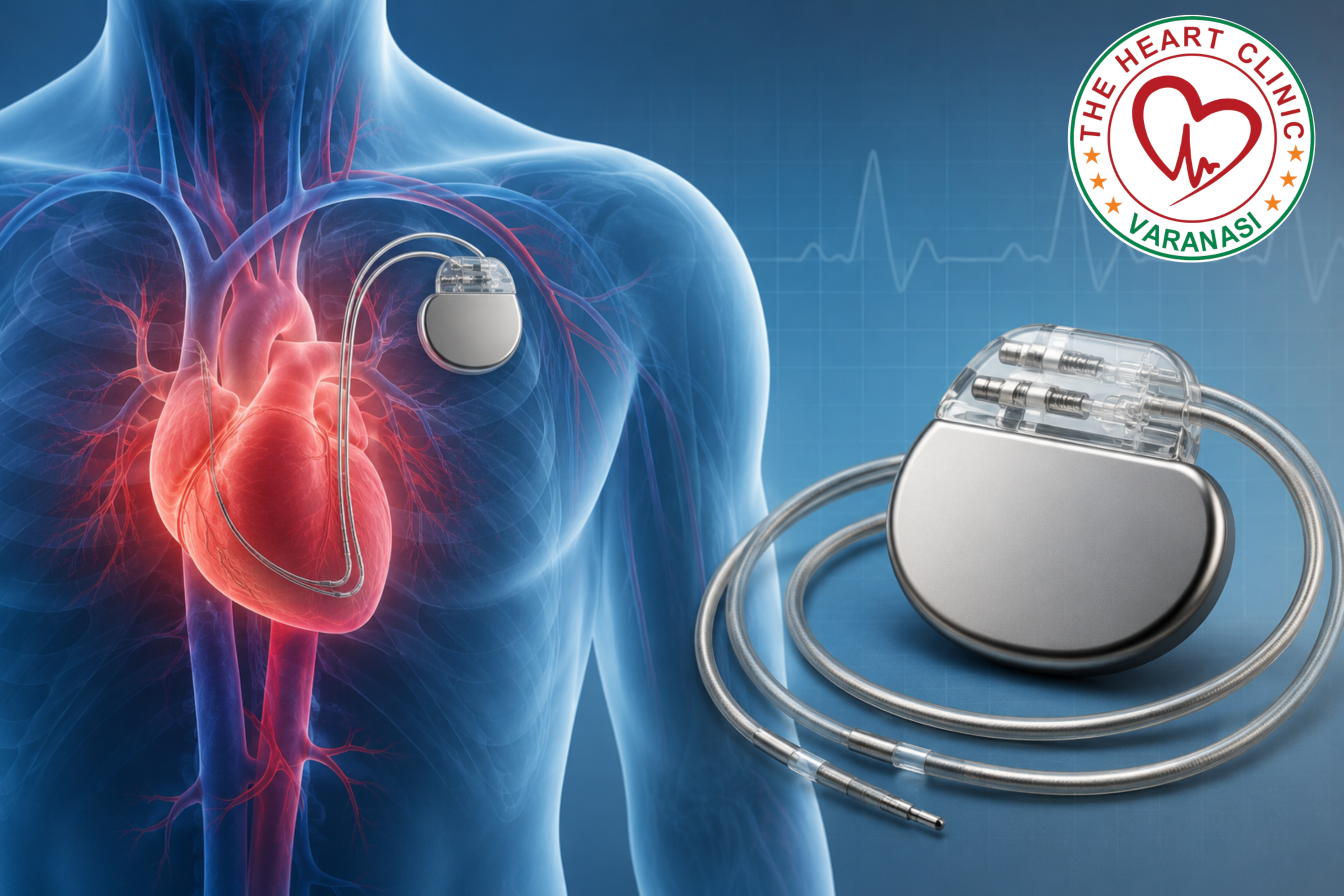
A pacemaker is a small electronic device that helps regulate the heartbeat. It consists mainly of a pulse generator and one or more leads that communicate with the heart.
The device continuously monitors the heart’s rhythm. If the heartbeat becomes too slow or pauses for an abnormal period, the pacemaker sends an electrical impulse to stimulate the heart to beat at an appropriate rate.
Pacemakers are generally recommended only when a patient’s heart rhythm problem requires this type of support. A cardiologist first evaluates the patient through medical history, symptoms and tests such as ECG, Holter monitoring, ECHO and other cardiac investigations before deciding whether pacemaker implantation is needed.
What Are the Types of Pacemakers?
Pacemakers can be broadly classified according to how they stimulate the heart.
1. Single-Chamber Pacemaker
This type uses one lead connected to one chamber of the heart. It may be suitable for selected patients depending on their specific rhythm abnormality.
2. Dual-Chamber Pacemaker
A dual-chamber pacemaker uses two leads to coordinate the activity of the upper and lower chambers of the heart. It can help maintain a more natural coordination between the chambers.
3. Biventricular Pacemaker / CRT
A biventricular pacemaker, commonly used as part of Cardiac Resynchronization Therapy (CRT), stimulates both lower chambers to improve coordination of heart contractions. It may be recommended for selected patients with heart failure and specific electrical conduction abnormalities.
The right type of pacemaker depends on the patient’s heart rhythm, underlying condition, symptoms and overall cardiac health. Therefore, pacemaker selection should always be made by an experienced cardiologist after proper evaluation.
When Is a Pacemaker Implanted?
A pacemaker may be recommended when the heart beats too slowly or when its electrical conduction system does not function properly. Some common conditions in which pacemaker implantation may be considered include:
- Bradycardia – an abnormally slow heart rate
- Heart block – interruption or delay in electrical signals between the chambers of the heart
- Sick sinus syndrome – problems with the heart’s natural pacemaker
- Recurrent pauses in the heartbeat
- Certain abnormal heart rhythms causing dizziness or fainting
- Some patients with heart failure who meet specific criteria for CRT
Symptoms such as persistent dizziness, unexplained fainting, unusual tiredness, shortness of breath or weakness may sometimes be associated with slow or irregular heart rhythms. However, these symptoms can have many causes, so proper cardiac evaluation is essential.
How Is Pacemaker Implantation Done?
Pacemaker implantation is generally performed under local anaesthesia. The device is placed beneath the skin, commonly below the collarbone, while the leads are guided through a blood vessel into the appropriate heart chamber.
The procedure is performed under continuous monitoring, and the cardiologist checks the device to ensure that it is functioning correctly. The exact technique and recovery period can vary depending on the patient’s condition and the type of pacemaker used.
Pacemaker Care Requires Expert Cardiac Evaluation
A pacemaker is not required for every patient with an irregular heartbeat. The decision is based on the type and severity of the rhythm problem, symptoms, test results and overall health.
At The Heart Clinic, Varanasi, patients can receive comprehensive cardiac evaluation and personalized treatment planning. Dr. Sudhakar Singh, MBBS, MD (Medicine), DM (Cardiology), FSCAI, specializes in advanced cardiac procedures and has experience with 1,000+ pacemaker implantations.
If you or a family member has been experiencing fainting, dizziness, unusually slow heartbeat or other unexplained cardiac symptoms, consult a cardiologist for appropriate evaluation. Early diagnosis of heart rhythm disorders can help determine whether medication, monitoring or pacemaker implantation is the right treatment.
Conclusion
A pacemaker helps maintain an appropriate heart rate when the heart’s natural electrical system is unable to do so effectively. From single-chamber and dual-chamber devices to biventricular pacemakers used for selected heart failure patients, the choice depends on individual cardiac needs.
If pacemaker implantation has been advised, discuss your condition, treatment options and expected outcomes with an experienced cardiologist before proceeding.
Contact The Heart Clinic, Varanasi
For expert cardiac consultation and pacemaker-related evaluation, connect with The Heart Clinic, Varanasi.
Phone: +91 96960 83670
Location: Sundarpur, Newada, Varanasi
Website: heartclinicvaranasi.com